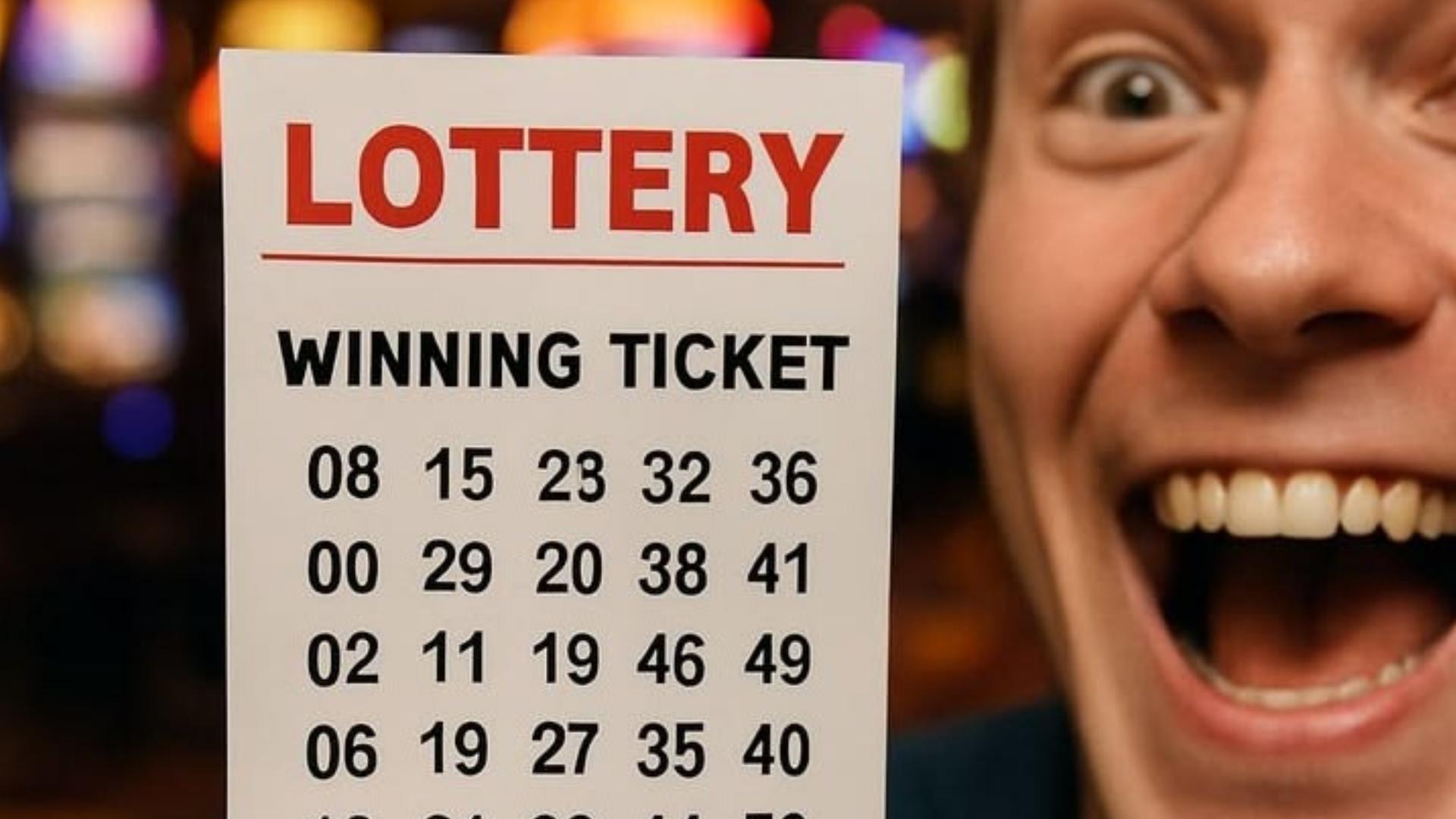
Many traditional games position skill and strategic foresight as the primary requirements for victory, reducing chance to a minor background element. However, modern game design frequently subverts this convention by elevating pure unpredictability into the core engine of player engagement. When integrated thoughtfully, randomized mechanics cease to be mere obstacles and instead become the very reason players remain captivated.
The Psychology of the Unknown
Human psychology is naturally drawn toward unpredictable outcomes because uncertainty triggers a heightened sense of focus and emotional investment. When players cannot foresee the immediate consequences of an action, their brains experience a surge of anticipation that structured scenarios rarely replicate. This emotional roller coaster transforms a standard session into a memorable event where every participant stays on the edge of their seat.
Furthermore, unpredictability levels the playing field, allowing newcomers and experienced players to share the same competitive arena without immediate frustration. It removes the pressure of calculating flawless strategies, shifting the game focus from intense mental labor toward spontaneous fun. This shift creates a welcoming social atmosphere where the journey matters just as much as the final score.
Balancing Chaos and Player Agency
For randomness to truly shine as a main attraction, designers must ensure it does not completely erase a player sense of control. Game loops often implement input randomness, where unpredictable factors are introduced early, forcing individuals to adapt their plans on the fly. This approach rewards adaptability and quick thinking rather than punishing players with sudden, unearned defeats.
When chance is utilized as a creative constraint, it pushes players out of their comfort zones and breaks the monotony of optimal strategies. Many modern gaming platforms, including interactive systems like ทางเข้า m88, balance probabilistic elements with clear rules to keep users thoroughly entertained. By combining transparent odds with unexpected results, these systems maintain long-term engagement without sacrificing fairness.
Creating Memorable Shared Stories
The most compelling aspect of chance-based gameplay is its unique ability to generate unscripted, dramatic narratives that players talk about long after the session ends. Perfect mathematical execution is admirable, but a sudden stroke of luck or a near-miss provides genuine theatrical flair. These unexpected milestones stand out in human memory far better than predictable, heavily calculated victories.
Ultimately, a game that embraces unpredictable elements turns every single match into a unique story that cannot be perfectly replicated. This high replayability keeps communities active and eager to see what will happen next. When randomness becomes the headline feature, entertainment transitions from a rigid mathematical puzzle into an evolving spectacle.